
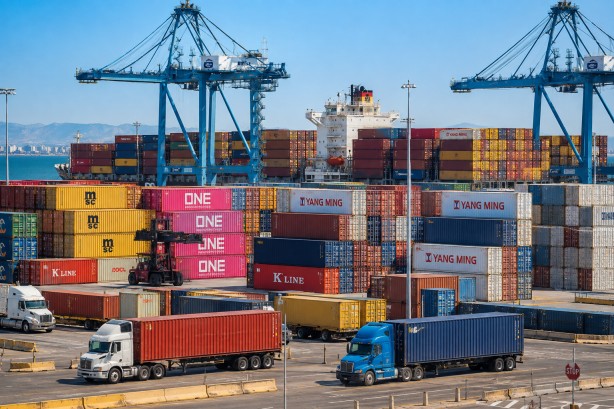
The United States government has commenced issuing refunds totaling approximately $100 billion for tariffs collected under the “Liberation Day” trade measures initiated by former President Donald Trump. This action follows a Supreme Court ruling deeming a substantial portion of these tariffs as unlawful. The refunded amount represents about 60% of the $165 billion that had been collected before the court’s decision. These tariffs were initially implemented on imported goods as a key element of Trump’s trade policy, which was designed to invigorate domestic manufacturing, secure better trade deals, and increase government revenue.
Following the Supreme Court’s verdict, the administration has prioritized returning the collected duties to the businesses that were affected. Despite these refunds, the federal budget deficit in the United States continues to grow, reaching $1.37 trillion in just the first nine months of the fiscal year. The financial impact underscores the ongoing challenges the government faces in managing the national budget.
In the wake of this legal setback, the Trump administration has still moved forward with a new set of tariffs, which range from 10% to 12.5% on imports from over 80 countries. This list includes major trading partners such as India, China, the United Kingdom, Canada, Mexico, Australia, and the European Union. The administration has justified these tariffs by raising concerns about products that may be associated with forced labor, marking a shift in the rationale behind the trade measures.
However, these newly introduced tariffs have not gone unchallenged. A coalition of 25 U.S. states has filed legal actions seeking to block the measures, arguing that they effectively replace the tariffs previously nullified by the Supreme Court. The states contend that the new tariffs are unlawful, adding another layer of complexity to the ongoing trade policy disputes.