
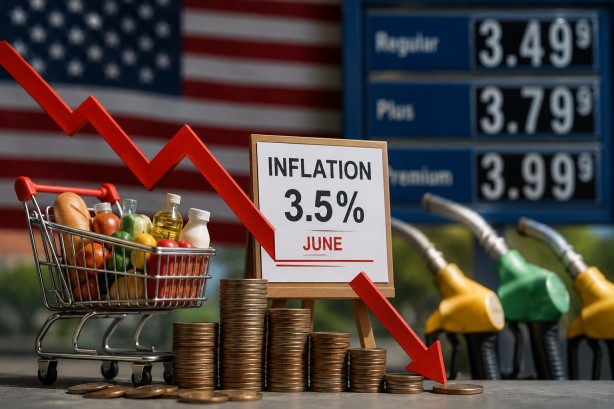
In June, the United States experienced a slowdown in annual inflation, with rates easing to 3.5%. This decline was largely attributed to a temporary drop in energy prices, which helped lower overall consumer costs. The Consumer Price Index (CPI) revealed that inflation had receded from previously higher levels, with a 0.8% decrease in prices compared to May. Notably, the reduction in gasoline and fuel prices played a significant role in this monthly decline, counterbalancing rising costs in areas such as food, housing, and utilities.
Core inflation, which strips out the more unstable food and energy prices and is carefully observed by the Federal Reserve, decreased to 2.6% on an annual basis. Despite this moderation, there are concerns that the relief in inflation might be brief. Current geopolitical tensions in the Middle East have already caused a rise in global oil prices, which has begun to translate into higher fuel costs for consumers and increased operational expenses for sectors like aviation and transportation.
The Federal Reserve is set to evaluate the latest inflation figures in conjunction with the state of the labor market at its forthcoming policy meeting later this month. Although inflation has shown some signs of softening, it remains above the central bank’s long-term goal of 2%. This leaves some ambiguity regarding the timing and nature of any potential adjustments to interest rates in the future.
While the current drop in inflation provides a temporary reprieve for consumers, the broader economic landscape suggests that challenges may persist. The interaction between fluctuating energy prices and other economic factors will likely continue to influence inflation rates and monetary policy decisions in the coming months. Stakeholders, including businesses and consumers, remain watchful for any signs of policy shifts that could impact economic stability and growth prospects.