
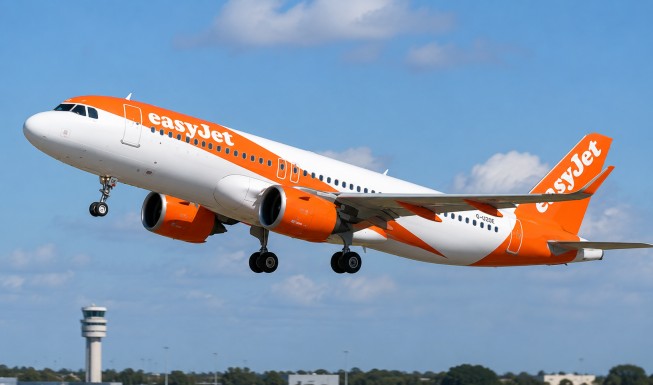
Budget airline easyJet experienced a significant 70% drop in pre-tax profit for the quarter from April to June, primarily due to increased fuel costs and shifts in customer booking habits. The company’s pre-tax profit fell to £85 million, a stark contrast to the £286 million reported for the same timeframe the previous year. The surge in fuel expenses, which rose by £105 million, is attributed to the rising energy prices driven by ongoing tensions in the Middle East.
Despite the downturn in earnings, easyJet noted a shift in booking behavior, with customers tending to reserve flights closer to their departure dates. However, there is a silver lining as booking demand shows signs of improvement leading into the peak summer travel season. The airline has indicated that its financial outlook for the rest of the year will be closely linked to future booking patterns and the unpredictable nature of fuel prices.
In addition to grappling with financial pressures, easyJet is also navigating potential acquisition scenarios. Two U.S. investment firms have shown interest in taking over the airline. The board has expressed a preference for a £5.7 billion offer from Apollo Global Management, favoring it over an earlier bid from Castlelake. Nevertheless, the proposed deal is under scrutiny due to concerns that the European Union may examine potential conflicts with foreign ownership rules applicable to airlines.
Despite the challenges reflected in its recent earnings report, easyJet’s shares saw an uptick in early trading. Investors appear to be focusing on the airline’s long-term growth prospects and the developments surrounding the takeover bid, signaling confidence in the company’s ability to navigate the current economic landscape.