
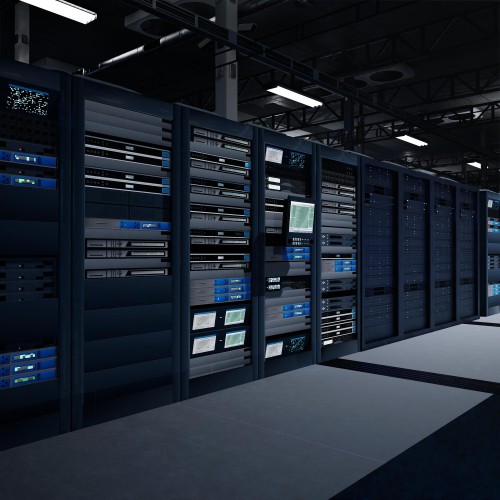
China has reclaimed its position at the forefront of global supercomputing with the introduction of its latest LineShine system. This achievement marks China’s return to the pinnacle of supercomputer rankings after several years, underscoring the nation’s strides in cultivating homegrown computing technology. Despite this, experts caution that China’s advancement in this area doesn’t necessarily equate to surpassing the United States in the realm of artificial intelligence.
The LineShine supercomputer, situated at the National Supercomputing Centre in Shenzhen, employs chips developed within China and has outperformed the former leading system from the United States. Nevertheless, analysts emphasize that traditional supercomputer rankings predominantly assess machines intended for scientific computing applications, which may not fully capture their efficacy in contemporary AI workloads. This distinction is important as many of the world’s most formidable AI systems are crafted by major technology firms and are not part of these rankings.
Experts highlight that the frontier of advanced AI computing is largely reliant on specialized chips and extensive data center infrastructure. Therefore, while the LineShine’s top ranking signifies China’s commitment to enhancing its self-sufficiency in chip design and computing technology, it does not necessarily reflect a comprehensive leap in AI capability.
China’s resurgence to the top spot is a testament to its ongoing efforts to bolster independence in technological development, particularly in the face of ongoing challenges. The nation continues to grapple with restrictions on access to cutting-edge AI chips, which remain a significant hurdle in its pursuit of AI advancement.
The competitive landscape in advanced computing technology between China and the United States continues to intensify. Both countries are dedicating substantial resources and focus to advancing their capabilities in artificial intelligence, quantum technology, and next-generation computing systems, highlighting the strategic importance of these fields in global technology leadership.