
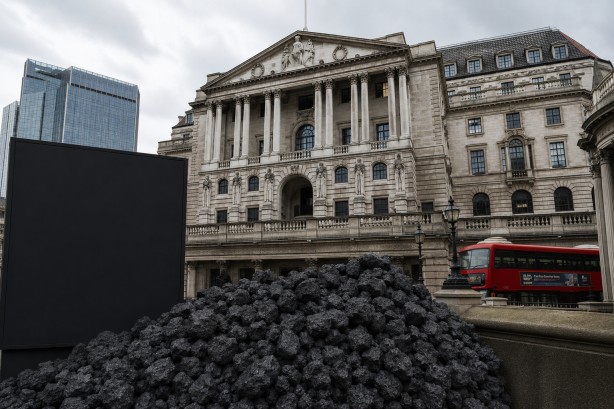
Starting in October, the Bank of England will no longer accept bonds tied to thermal coal companies as collateral in its lending operations, a move aimed at mitigating climate-related financial risks. This policy change underscores the central bank’s commitment to addressing the financial implications of climate change.
Lenders typically use bonds as collateral when borrowing from the central bank to facilitate routine operations and transaction settlements. However, bonds associated with thermal coal, a fossil fuel predominantly used in electricity generation, will be excluded from eligibility under the new guidelines. This decision reflects the increasing financial risks facing companies in the thermal coal sector as nations worldwide push for cleaner energy solutions and strive for net-zero carbon emissions.
The Bank of England has also indicated that it might impose discounts on bonds from other sectors that are vulnerable to climate risks. This measure is part of a broader effort to safeguard the central bank’s balance sheet from potential devaluation of such assets over time.
Environmental advocacy groups have praised the decision, viewing it as a significant message to financial markets that could prompt commercial banks to reconsider their investments in heavily polluting industries. Currently, more than 150 major financial institutions globally have already implemented restrictions on business activities connected to the thermal coal industry.
Experts suggest that the success of this policy will hinge on how climate risks are evaluated and whether similar restrictions will eventually be applied to other environmentally detrimental activities. The Bank of England’s approach could set a precedent for the financial sector’s role in supporting the transition to a more sustainable economy.