
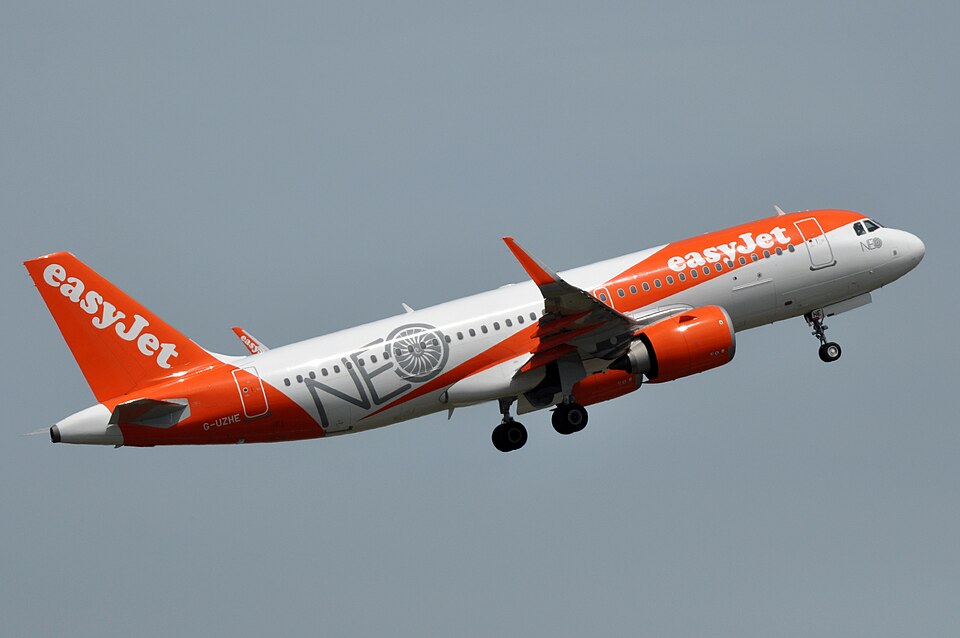
U.S.-based investment firm Castlelake has expressed interest in acquiring EasyJet, a significant player in the European low-cost airline market. The firm has already secured a 2.14% stake in EasyJet and is contemplating a bid of at least 403 pence per share, which would value the airline at around £3 billion. EasyJet, however, has dismissed this potential takeover as “highly opportunistic,” asserting that the current share price does not accurately reflect its long-term value.
EasyJet argues that its stock price has been temporarily affected by market volatility, particularly due to geopolitical tensions in the Middle East that have dampened consumer confidence and driven up jet fuel prices. Despite these challenges, EasyJet’s board remains optimistic about the company’s financial health, strategic growth plans, and future profitability. This confidence was somewhat mirrored in the market’s response, as EasyJet shares surged to their highest level in three months following the takeover news, surpassing Castlelake’s proposed offer price. This suggests investor optimism for either a higher bid or a belief that the airline is worth more than the initial valuation.
Under UK regulations, Castlelake has until June 26 to finalize its decision on whether to proceed with a formal takeover offer. However, any acquisition attempt could encounter regulatory obstacles due to European Union rules that mandate European airlines remain majority-owned and controlled by regional investors. This could complicate matters for a U.S.-based entity like Castlelake.
EasyJet, which employs over 16,000 people and operates a vast network across Europe, remains a dominant force in the region’s aviation sector. Despite current stock market pressures, the company’s robust operations continue to attract international investor interest, highlighting the appeal of UK-listed companies that are often undervalued compared to their counterparts in other major markets.
Castlelake’s interest in EasyJet is part of its broader engagement in the aviation industry, where it already holds investments and financial arrangements with various airlines. The firm’s move underscores its belief in EasyJet’s long-term potential and market position, indicating a strategic bet on the airline’s continued success in the competitive European market.