
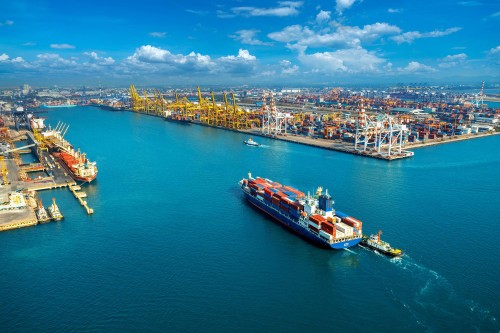
In response to growing concerns over the European Union’s increasing reliance on Chinese imports, EU officials are deliberating potential new restrictions to mitigate the impact on European industries. The focus of these discussions is the surge in imports from China, which spans numerous sectors such as manufacturing, agriculture, healthcare, technology, and defense. There is apprehension that the influx of more affordable Chinese goods could undermine domestic markets and accelerate industrial decline in certain regions of Europe.
This wave of scrutiny comes as policymakers highlight what has been termed “China Shock 2.0,” a phenomenon marked by the swift rise in Chinese exports, including electric vehicles, industrial machinery components, medical equipment, and consumer goods. While no immediate resolutions are anticipated from these meetings, they are intended to formulate a strategic European approach before upcoming deliberations among EU leaders.
Among the potential measures being evaluated are import quotas, tariff-rate quotas, and other trade safeguards aimed at protecting industries struggling against competitively priced imports, which are often heavily subsidized. Economists advise the EU to find a balance between protective actions and continued engagement with China, which remains a significant trading partner and a vital market for European enterprises.
China’s commitment to industrial growth and technological advancement suggests that trade tensions with major export destinations are likely to intensify. Despite these challenges, the EU is considered an essential market for Chinese exporters, especially in sectors like electric vehicles and advanced manufacturing. Any significant imposition of restrictions by the EU could provoke reciprocal actions from Beijing, escalating tensions for both regions.
Overall, these discussions reflect a broader European initiative to enhance economic resilience while navigating the intricate trade dynamics with China. By addressing these issues, the EU aims to safeguard its industries while maintaining a constructive relationship with one of its largest trade partners.